Delivery of Things World 2016
About the Event
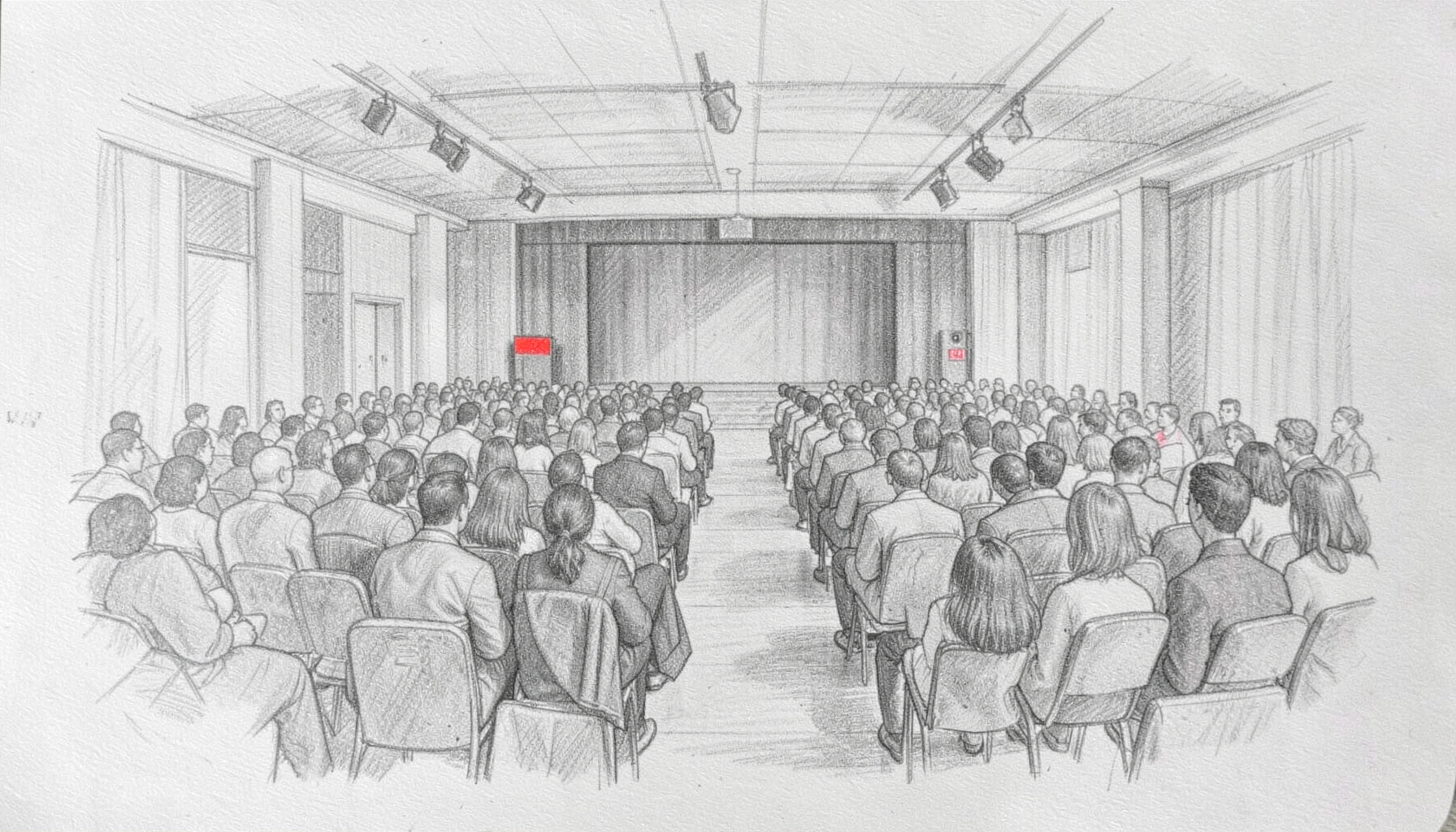
Delivery of Things World was the industry event for engaged, high-level, international executives from across all sectors affected by the need to turn their organisation into a more agile, DevOps-oriented business. The conference brought together over 400 peers in Berlin to learn, network, and share best-practice strategies at a dedicated forum where Continuous Delivery and DevOps stakeholders came together.
Launching in 2016 — the year Gartner predicted to be the year of DevOps — the event addressed the growing demand for business transformation through technology and process change.
| Location | Berlin, Germany |
|---|---|
| Dates | April 25–26, 2016 |
| Audience | Executives and senior leaders |
Key Topics
- Continuous Delivery
- Agile Application Lifecycle Management (ALM)
- Change Management
- DevOps-oriented business transformation
Links
Attending a DevOps conference offers professionals a rare opportunity to step away from daily operations and immerse themselves in the evolving practices that shape modern software delivery. These events bring together engineers, architects, and leaders who share a common goal: bridging the gap between development and operations. Whether you are new to the field or a seasoned practitioner, the exchange of real-world experiences at such gatherings can spark fresh ideas for improving deployment pipelines, monitoring strategies, and team collaboration. The energy of a room full of like-minded peers often leads to conversations that extend well beyond the scheduled sessions, making every moment a potential learning experience.
Call for papers remains one of the most vital components of any DevOps conference. Organizers actively seek proposals that cover everything from container orchestration and infrastructure automation to cultural transformation and incident response. Submitting a talk allows practitioners to share hard-won lessons, showcase innovative solutions, and contribute to the collective knowledge of the community. For speakers, the process of preparing a presentation often clarifies their own thinking and reveals new insights. Even if a proposal is not accepted, the exercise of articulating a topic clearly can be valuable professional development in itself.
The landscape of DevOps events spans the globe, with gatherings taking place in major cities across Europe, North America, Asia, and beyond. Each region brings its own flavor to the conference circuit, influenced by local industry trends and community priorities. European events often emphasize continuous delivery and agile transformation, while North American conferences may focus heavily on cloud infrastructure and site reliability engineering. Regardless of location, the core themes remain consistent: automation, monitoring, security, and culture. This geographic diversity ensures that attendees can find an event that suits their schedule, budget, and specific interests, whether they prefer a large multi-track conference or an intimate workshop setting.
Networking at DevOps conferences extends far beyond exchanging business cards. The most valuable connections often happen during breaks, hallway conversations, or at social gatherings organized around the event. These informal interactions allow attendees to ask candid questions about tools, processes, and team dynamics that might not come up in formal sessions. Many lasting professional relationships have begun over coffee between sessions, leading to collaborations that continue long after the conference ends. For those attending alone, these events can be particularly rewarding, as the shared vocabulary and common challenges of DevOps create natural conversation starters and a welcoming atmosphere.
Staying current with the rapid pace of change in DevOps practices is a challenge that conferences help address directly. Workshop tracks and hands-on labs give attendees practical experience with emerging tools and methodologies, while keynote presentations offer perspective on where the industry is heading. The combination of tactical skills and strategic vision found at a well-curated event equips professionals to return to their teams with concrete ideas for improvement. Conference organizers increasingly curate content that addresses both technical depth and human factors, recognizing that successful DevOps adoption depends as much on culture and communication as it does on tooling and automation.